We like to believe that good business decisions are rational. We weigh the evidence, analyse the numbers, assess the risks, and then decide.
But neuroscience tells us a more interesting story.
In Descartes’ Error, neuroscientist Antonio Damasio challenged the centuries-old separation between reason and emotion. Through his work with patients who had suffered damage to brain regions involved in emotional processing, Damasio observed something remarkable: people could retain their intelligence and logical reasoning abilities, yet struggle to make even ordinary decisions.
They could analyse endlessly. But they couldn’t decide effectively.
His insight was profound: emotions are not the enemies of rational decision-making. They are essential to it.
And this has a powerful implication for business storytelling.
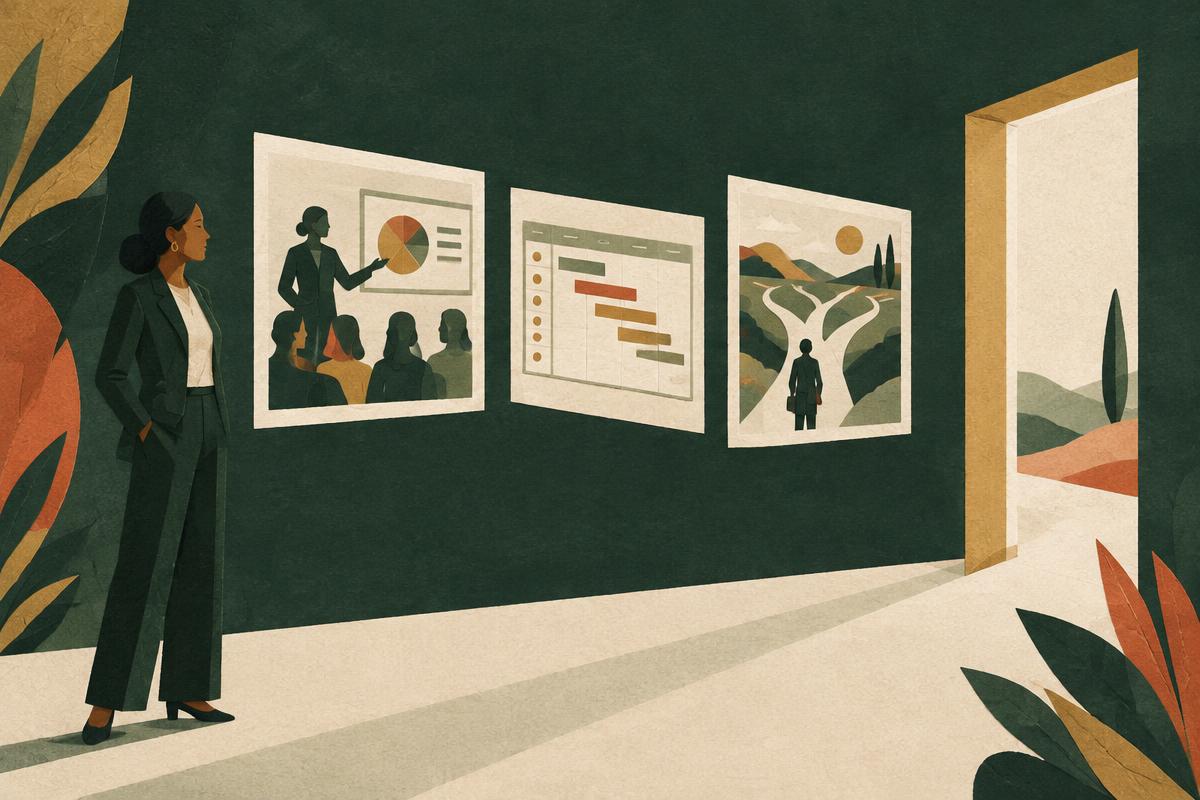
Think about the last time you sat through a presentation filled with facts, charts and compelling data. You understood the argument. Perhaps you even agreed with it. But did it move you to act?
Now think about a story that made you see a problem differently. A customer struggling with a broken process. A team losing its best talent because no one listened. An opportunity missed because the organisation waited too long.
Suddenly, the numbers have a human face. The problem has consequences. And the decision feels personal.
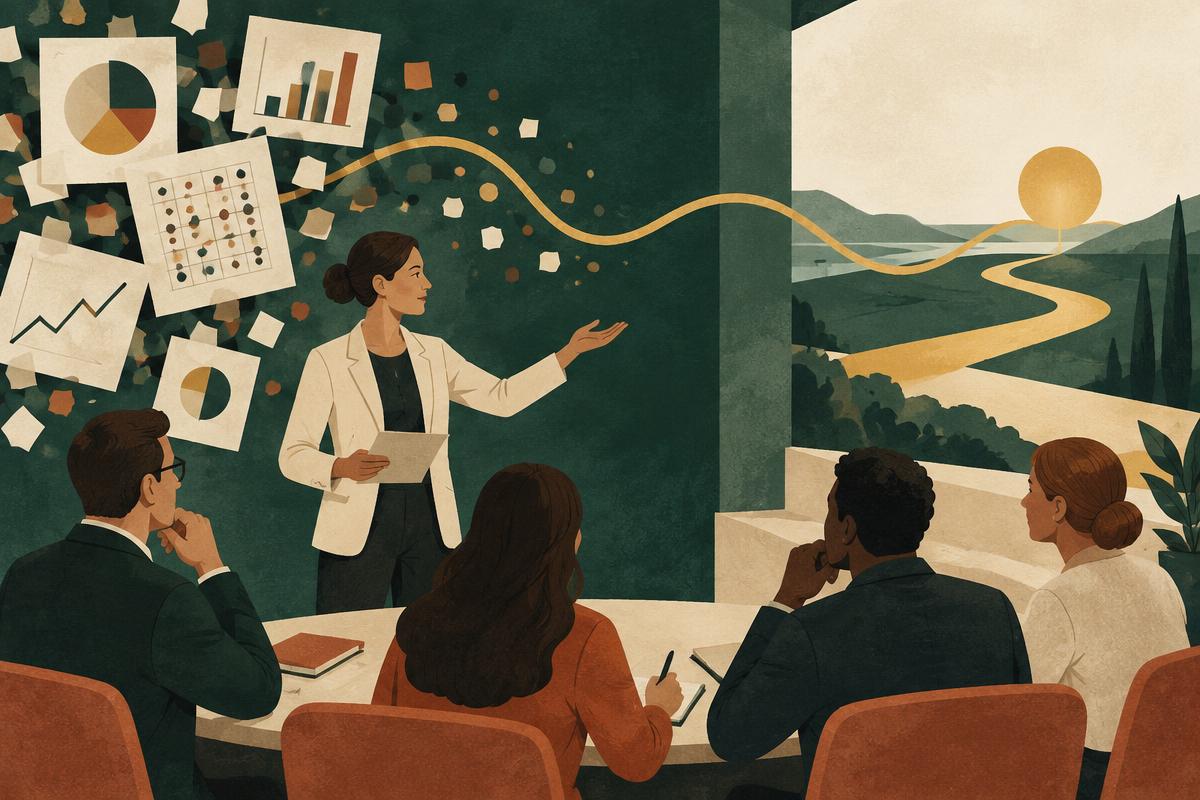
That is what business storytelling does. It connects what people need to understand with what they need to feel to care enough to act.
This doesn’t mean manipulating emotions or replacing evidence with anecdotes. It means recognising that data explains the what, while a well-told story can illuminate the why it matters.
In a boardroom, a proposal may establish the financial case for change. But a story about the cost of doing nothing can make that change feel urgent.
In leadership, metrics can demonstrate declining engagement. But a story about a capable employee who stopped speaking up can make leaders confront what those metrics really mean.
The distinction matters: emotion alone doesn’t guarantee a good decision. It can also cloud judgement. The goal is not to make people feel instead of think, but to help them think about what matters.
Perhaps the most important lesson from Damasio is this: logic helps us evaluate our options; emotion helps us recognise their significance.
And in business, where decisions are made by people, not spreadsheets, storytelling is not merely a communication technique.
It is a way of making meaning, creating connection and helping people see why a decision is worth making.
Because people may understand your argument through data. But when the facts become meaningful, they are far more likely to remember them, and act on them.
A question to reflect on: When you present your next big idea, will you give people only the facts they need to understand it, or the story that helps them care?
Want to build this with guidance?
Explore executive coaching, corporate workshops, or 1:1 mentorship with Sukirti.
Get in Touch